August 13, 2026
Project One Health JAX has completed its first comprehensive evaluation of neighborhood programming, offering an early look at how screen-free, nature-based experiences are affecting young people and families in Jacksonville.
The findings draw from the first year of implementation in several Jacksonville Urban Core neighborhoods, where youth programs, community events and green-space projects created meaningful alternatives to screen time. The early results show young people are more likely to step away from screens when they have something meaningful to step into.
“The first year of programming represents a major success for Project One Health JAX,” said Erin Allaman, PhD, Director of Learning & Evaluation and Co-Director of Research at Children & Nature Network. “The evaluation data show that neighborhood programs met or exceeded national benchmarks in most positive youth development experiences, with 92% of surveyed youth saying they would recommend their program to a friend. Neighborhood-level findings also show gains in time outdoors, social connection and healthier awareness and habits around screen use. The early success of POHJ programs aligns with broader research findings that greenspace access is a key ingredient in reducing childhood screentime.”
During the first year of evaluated programming, Project One Health JAX reached more than 470 young people across 13 sites, delivered more than 4,300 hours of programming and hosted 65 community activations. Neighborhood teams engaged youth and families through gardening, field trips, environmental stewardship, park activities, intergenerational events and digital wellness education.
The work is led by neighborhood organizations in Brentwood, the Historic Eastside, New Town and Springfield, and it’s supported by cross-sector partners including youth-serving organizations, schools, parks, health partners and environmental organizations.
Children & Nature Network serves as Project One Health JAX’s technical assistance and evaluation partner, bringing national expertise in advancing equitable access to nature and helping neighborhood teams strengthen, evaluate and sustain their work.
How the evaluation worked
Children & Nature Network combined quantitative and qualitative data from youth surveys, caregiver feedback, program and event participation, group activities, photo storytelling and neighborhood reporting.
Hello Insight!, a nationally benchmarked survey tool, was also used to assess the quality of youth program experiences. The findings were compared with data from more than 550,000 young people participating in more than 8,000 youth-serving programs across the country.
The evaluation covered Brentwood, the Historic Eastside and Springfield, where evaluation was included in the scope of the neighborhood agreements. New Town remains an important part of the broader initiative under a different grant scope that did not include evaluation during this implementation period.
High-quality programs are creating meaningful experiences
Across the initiative, 250 young people participated in Hello Insight! surveys. The findings show that Project One Health JAX programs met or exceeded national benchmarks in most areas related to positive youth development.
Surveyed youth reported that programs gave them opportunities to:
- Build authentic relationships.
- Try new ideas and experiences.
- Strengthen relationships with peers.
- Engage in meaningful outdoor exploration.
- Participate in supportive, youth-centered environments.
The findings also showed that 92% of surveyed youth would recommend their program to a friend.
“Young people’s willingness to recommend a program is an important signal that tells us they felt engaged, supported and connected to the experience,” said Allaman. “Those are the conditions that allow deeper learning, relationship-building and growth to take place.”
Digital wellness: Creating better alternatives to screen time
Project One Health JAX approaches digital wellness as a matter of balance, creating appealing alternatives to screens through outdoor learning and nature experiences. Brentwood’s Nature Rangers program offers one of the clearest examples of early change.
Youth surveys in Brentwood showed:
- 11% increase in the number of kids who spend less than an hour per day on screens
- 31% increase in the number of kids who spend more time in person with friends and family
- 60% are spending more time outdoors than before the program.
The findings suggest that healthier technology habits are more likely to take hold when young people have appealing offline experiences and opportunities to connect face to face.
Nature connection: Repeated experiences build comfort and belonging
In Springfield, repeated opportunities for nature discovery, outdoor play, stewardship and youth leadership strengthened young people’s connection to nature.
Of surveyed youth in Springfield:
- 91% feel good when they’re in nature (an increase of 11%)
- 82% spend more time playing outside than before (an increase of 13%)
- 62% are interested in caring for the environment (an increase of 13%)
Youth also reported spending more time in nearby nature, including their yards and neighborhoods, demonstrating the value of making nature part of daily life.
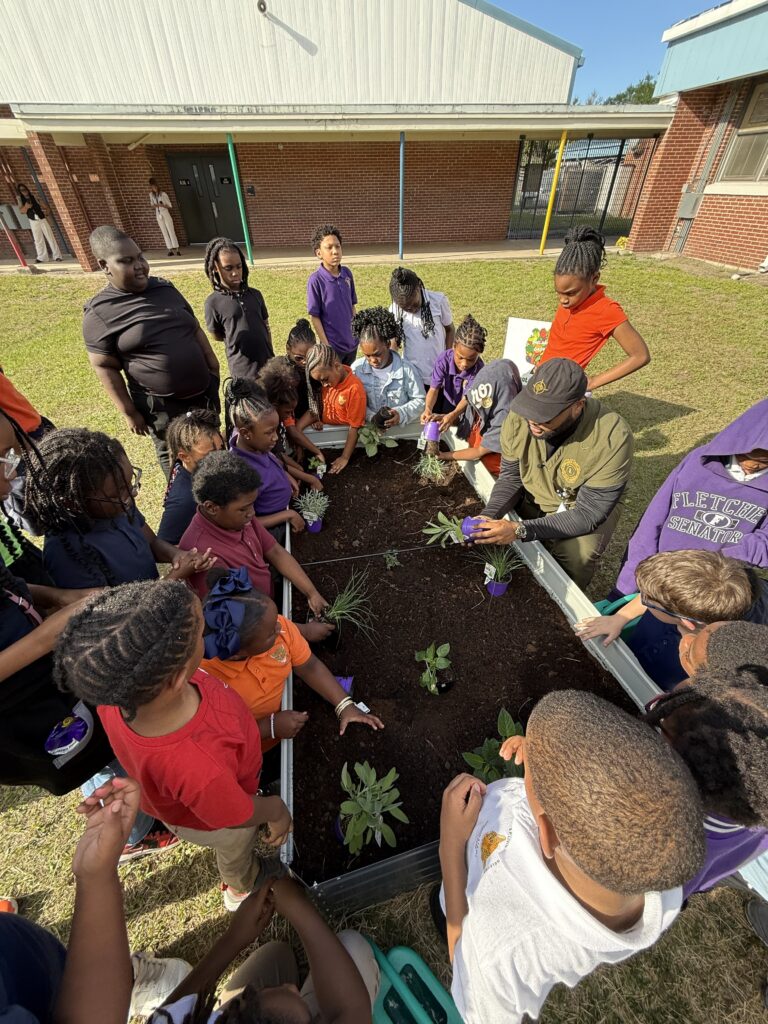
In the Historic Eastside, youth participated in garden-based learning, outdoor exploration and programs connected to local food systems and neighborhood culture. In the surveys from the Eastside, 73% of young people say they were encouraged to try new ideas and experiences.
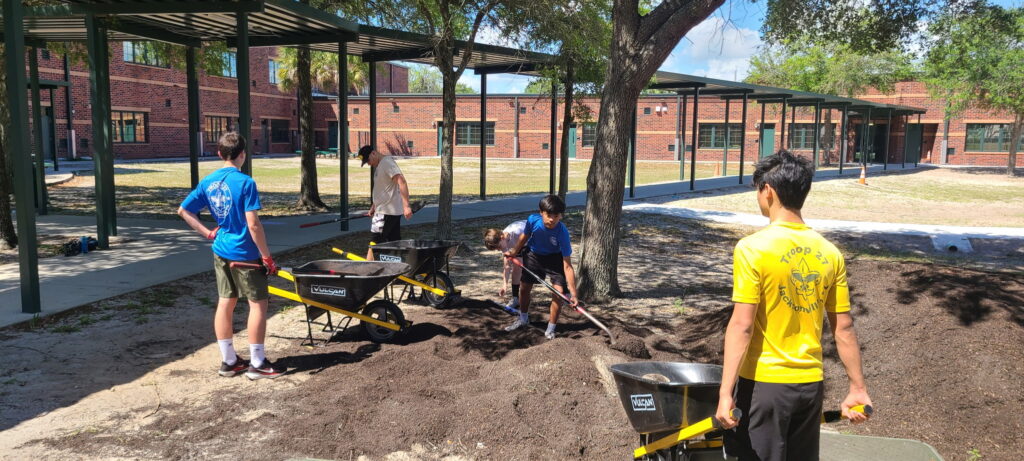
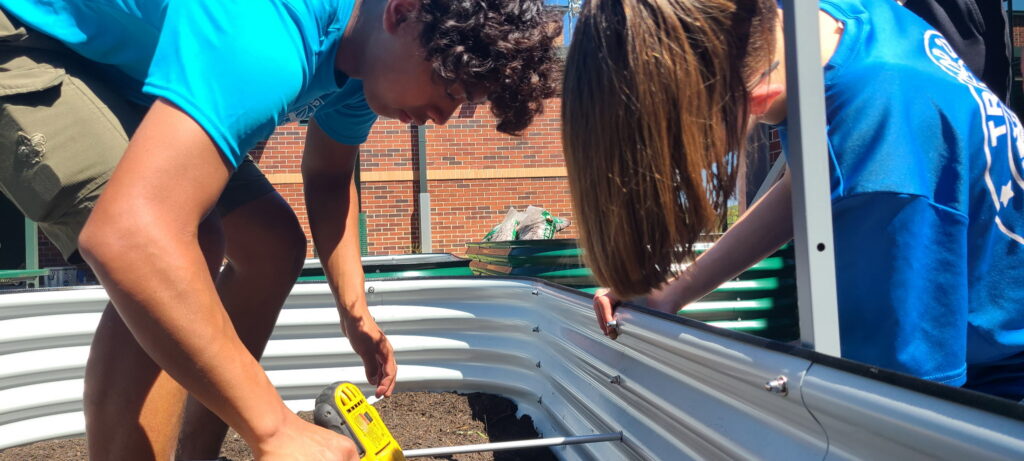
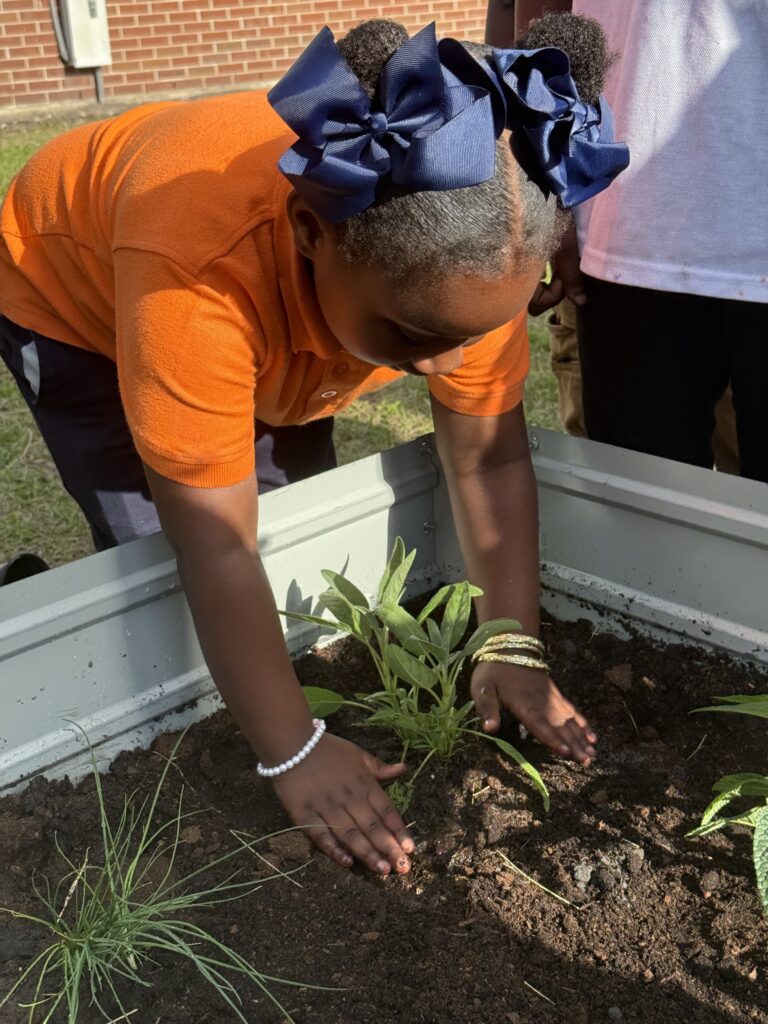
School and community gardens played a central role in the Eastside model. Through a partnership with Success Gardening, young people learned how to grow, harvest and prepare fresh food while building responsibility and teamwork.
“We teach the kids about eating healthy, exercising, being out in nature, eating fruits and vegetabls, and trying different things that they’ve never tried before,” said Sylvia Powell, a nutrition educator with Success Gardening and Florida A&M University. “The goal was to get the students to try a vegetable that they don’t like. We actually start growing those types of seeds and they get to try them when it’s time to harvest.”
Community and connection: Relationships are part of the outcome
Time outside can strengthen more than a young person’s connection to nature. It can also create opportunities to build friendships, strengthen family relationships and connect with trusted adults and community leaders.
Youth surveyed in Springfield said they spent more time outside with friends and family. Among surveyed Springfield caregivers, 91% agreed that the programs helped their families feel more connected and welcome in their community.
The Historic Eastside showed similar strengths. Of surveyed youth, 80% built authentic relationships through their programs. Intergenerational walks, river excursions, parent outreach and community events extended those connections beyond youth programming, bringing residents together while helping them experience nearby parks, waterways and other natural resources.
These findings reinforce that social connection is a core part of the Project One Health JAX approach – creating shared experiences that help young people and families build stronger relationships with one another and with the neighborhoods where they live.
Advocacy and empowerment: Young people are helping shape their neighborhoods
Project One Health JAX is designed to involve young people not only as participants, but also as contributors to the places where they live.
In Springfield, youth helped co-design the Youth Ecological Stewardship Program and participated in trail stewardship, green-space activation and community conversations related to food access and neighborhood planning.
“Everything about Project One Health Springfield is designed with youth, for youth,” said Dr. Laureen Husband with the Partnership for Child Health, the organization spearheading Project One Health in the Springfield neighborhood. “In order for any initiative in a community to be successful, it has to be co-created with the stakeholders who are going to be impacted by that program. So we started this program by first working with young people to hear them and ask them what they wanted.”
Demand was strong: 200 young people applied for 15 paid positions in the Trail Stewardship and Activation Program. Participants also helped activate an alley near Overalls Farm Three and contributed to conversations about the city’s food system and environmental priorities.
What the first-year findings mean
The first-year findings show that consistent, high-quality experiences can help young people build healthier habits, strengthen relationships and feel more connected to nature. They also reinforce the value of nature as a meaningful alternative to screen time.
The results also highlight the power of a place-based approach. Each neighborhood has different assets, barriers, partners and priorities. The strongest models are built in collaboration with communities rather than applied to them.
“The findings give us a clearer understanding of each program’s strengths and opportunities, so we can refine the work in the coming years,” said Allaman. “This helps us understand what is working, where programs can improve and which early pilots may be ready to inform broader practice.”
Through neighborhood leadership, strong partnerships and meaningful opportunities for youth, “less screen, more green” is becoming more than a tagline. It is a growing part of how Jacksonville communities support children every day.